How AI and Blockchain Are Transforming the Notary Industry
How AI and Blockchain Are Transforming the Notary Industry
Artificial intelligence and blockchain are reshaping how documents are verified, signed, and stored. For mobile notaries, remote online notaries (RON), and legal professionals, understanding these shifts is essential to staying competitive in the future of notarization.
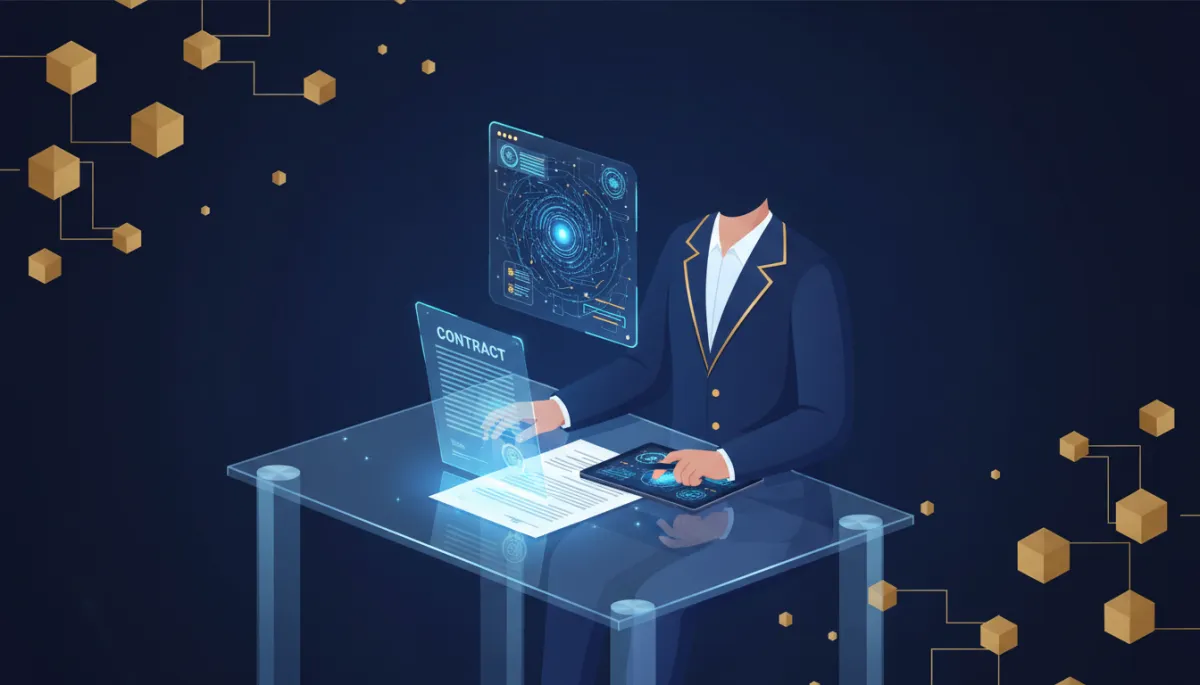
The Future of Digital Notarization
Where human judgment meets intelligent automation
AEO & SEO for Notaries: Be the Answer When Clients Search
Before exploring the technology itself, it is critical to understand how clients are finding notaries today. People no longer just search “notary near me” and scroll through a list of blue links. They ask:
“Can I notarize documents online in my state?”
“Is blockchain notarization legally valid?”
“What is AI notary software and is it secure?”
Answer Engine Optimization (AEO) helps your practice become the direct answer to these questions in search engines and AI assistants, while SEO ensures your website, Google Business Profile, and content can be discovered and crawled. Together, they form the digital backbone for any notary who wants to attract tech-savvy clients looking for digital notarization technology.
💡 Pro Tip: Build an FAQ page that answers specific queries such as “How does remote online notarization work?” and “Is blockchain notarization accepted in court?” to feed both AEO and SEO.
How AI Is Streamlining Intake, Scheduling, and Client Communication
AI is not replacing notaries; it is removing friction from the administrative work that surrounds every notarization. The most forward-thinking practices are already using notary AI tools to automate routine tasks and create a smoother client experience.
Smarter Client Intake and Document Pre‑Checks
AI-powered intake forms can guide clients to upload the right documents, choose the correct notarization type, and answer eligibility questions before the appointment is scheduled.
Document analysis tools can scan PDFs for missing signatures, blank fields, or inconsistent dates, reducing last-minute surprises that delay closings or signings.
For mobile notaries and RON professionals, this means fewer wasted trips, fewer rescheduled sessions, and more time spent on billable work instead of troubleshooting paperwork.
Automated Scheduling and Follow‑Ups
AI scheduling assistants can sync with your calendar, propose time slots, handle time zone differences, and send confirmations without manual back‑and‑forth emails.
Intelligent reminders via SMS or email reduce no‑shows and ensure clients arrive with the correct identification and documents.
📌 Key Takeaway: Treat AI as your digital operations assistant. It handles repetitive logistics so you can focus on compliance, client trust, and accurate notarizations.
AI‑Enhanced Client Communication
AI chatbots embedded on your website or booking page can answer common questions about pricing, availability, accepted IDs, and RON platform requirements. When designed carefully and reviewed regularly, they:
Reduce phone calls and emails for routine inquiries.
Capture leads 24/7, even outside business hours.
Provide consistent, compliant explanations of your services and processes.
“AI notary tools do not change the legal standards of notarization—they help you meet those standards more efficiently and consistently.”
— Perspective from a technology‑forward notary practice
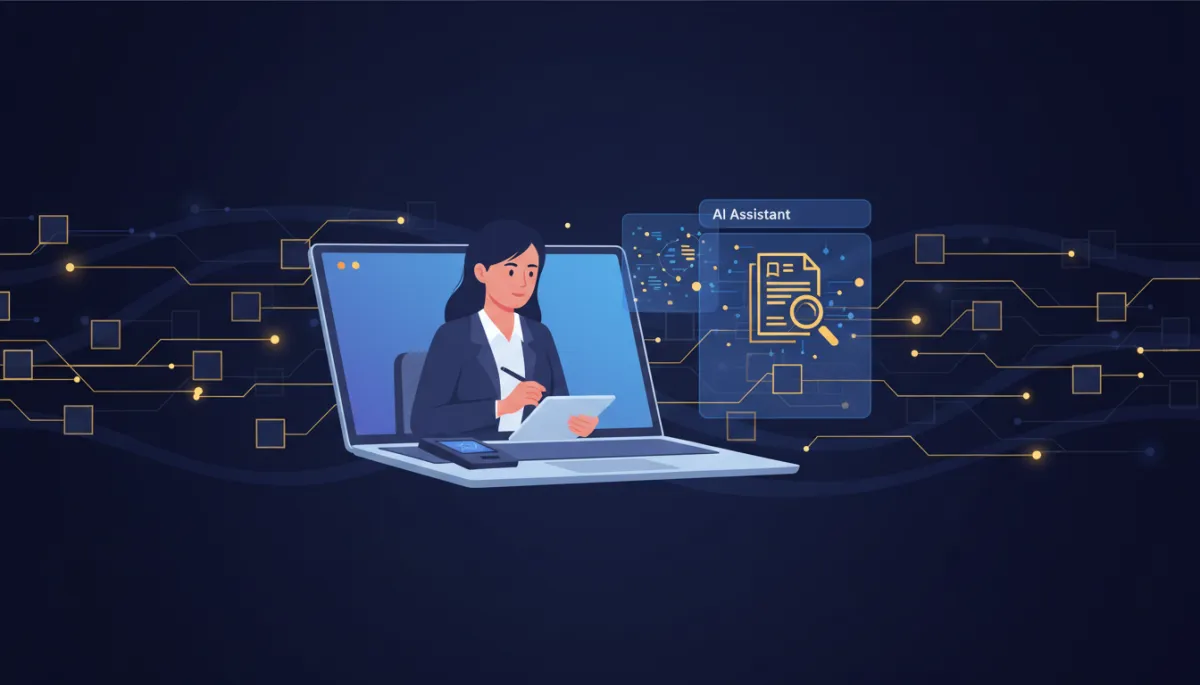
AI and blockchain together create a verifiable, end‑to‑end digital notarization trail.
Blockchain Notarization and Tamper‑Proof Records
Blockchain notarization uses distributed ledger technology to create a time‑stamped, tamper‑evident record of a document’s existence and status. Instead of storing the full document on a public chain, most systems record a cryptographic hash—a unique digital fingerprint—along with metadata like date, time, and the notary or platform ID.
If the document is altered later, its hash changes, instantly revealing tampering.
Courts, lenders, and counterparties can independently verify that the document presented today matches the one recorded at the time of notarization.
For mobile and RON notaries, blockchain‑backed platforms can provide an additional layer of assurance, especially in high‑value transactions such as real estate, cross‑border agreements, and IP assignments.
⚠️ Warning: Laws governing blockchain records vary by jurisdiction. Always confirm whether blockchain notarization is recognized as evidence or a supplement to traditional records in your state or country.
Digital Identity Verification: The New Front Door of Notarization
In remote and hybrid environments, digital identity verification is replacing in‑person ID checks. Modern platforms combine:
Document scanning: AI analyzes ID documents for authenticity, expiration, and tampering indicators.
Biometric checks: Liveness detection and facial recognition compare the signer’s face to the ID photo in real time.
Knowledge‑based or database checks: Additional questions or data sources validate identity when required by regulation.
Notaries remain responsible for judging identity and willingness, but AI‑driven tools provide more data points and audit trails than a quick glance at a physical ID ever could.
What Notaries Need to Know to Stay Ahead
To thrive in this new environment, notaries do not need to become software engineers—but they do need a working understanding of AI notary tools, blockchain notarization, and the regulatory frameworks around digital notarization technology.
Monitor your state and national regulations. Follow your Secretary of State, bar associations, and notary organizations for updates on RON, digital identity standards, and blockchain evidence rules.
Evaluate platforms, not just features. Look for vendors that explain how their AI works, how data is stored and encrypted, and how audit logs are maintained for legal defensibility.
Invest in digital literacy. Take short courses on cybersecurity, privacy, and legal tech to confidently explain your processes to attorneys, lenders, and clients.
💡 Pro Tip: Add a “Technology & Security” section to your website that explains—in plain language—how your AI, RON, and blockchain tools protect clients. This is powerful AEO content and a trust builder.
How Forward‑Thinking Notaries Are Using These Technologies Today
Across the industry, early adopters are already demonstrating what the future of notarization looks like in practice:
A mobile notary team uses AI to route appointments based on location, traffic, and complexity, cutting drive time and increasing daily signings.
A RON‑only practice integrates blockchain notarization for high‑stakes commercial deals, giving law firms a transparent, immutable record of each step in the signing.
A solo notary builds an AEO‑optimized resource hub explaining remote notarization, digital IDs, and security, becoming the go‑to “AI notary” expert in their region.
These professionals are not just using new tools; they are communicating their capabilities clearly online so that answer engines, search engines, and clients recognize their expertise.
Conclusion: Combine Human Judgment with Intelligent Systems
Notarization will always rely on human judgment, integrity, and legal standards. What is changing is the infrastructure around that core responsibility. AI streamlines intake, scheduling, and communication. Blockchain notarization strengthens trust in records. Digital identity verification secures remote interactions. And AEO plus SEO ensure that when someone searches for a modern, secure, and convenient notary, your practice is the answer they see first.
By embracing digital notarization technology today—and explaining it clearly through optimized content—you position yourself not just to keep up with the future of notarization, but to help define it.
