
Why Notaries Fail to Verify Signer Identity
Notary Services, Notary Mistakes, Identity Fraud
Why Your Last Notary Didn't Verify Your Signer's Identity
When you pay for professional notary services, you expect every signer’s identity to be carefully verified. So discovering that your last notary barely glanced at an ID—or didn’t ask for one at all—can be unsettling, especially with rising concerns about identity fraud. Understanding how this happens is the first step toward protecting yourself, your documents, and your peace of mind next time you hire a notary.
The Notary’s Core Duty: Verify Identity, Not Just Stamp Paper
At its core, a notary’s job is to verify identity, confirm a signer is willing, and ensure they understand what they are signing. The stamp and signature are only meaningful if proper signer verification has taken place. When that step is skipped or rushed, the notarization becomes vulnerable to identity fraud and disputes later on.
Yet in real life, notary mistakes do happen. Some are caused by pressure to move quickly, others by misunderstanding state rules, and sometimes by misplaced trust in the people present. Let’s look at the most common reasons your last notary may not have properly checked your signer’s ID.
1. The Notary Relied on “Personal Knowledge” or Familiarity
In many states, a notary can verify identity based on personal knowledge instead of a physical ID. That means if the notary personally knows the signer well enough, they may decide an ID check is unnecessary. This can feel casual or even careless from a client’s perspective, but it might technically be allowed where you live.
The problem? Personal knowledge is subjective. A notary might think they “know” someone because they’re a regular customer or a friend of a friend. That kind of assumption opens the door to notary mistakes and, in the worst cases, identity fraud. When in doubt, a professional notary should still request a valid, government-issued ID to verify identity, even if the signer seems familiar.
2. The Notary Misunderstood or Ignored State Requirements
Notary laws vary by state, but every state expects notaries to perform some form of signer verification. Unfortunately, not every notary keeps up with changing rules. Some complete their initial training, get their stamp, and rarely revisit the law afterward. Over time, they may develop “shortcuts” that conflict with current regulations on notary services.
For example, a notary might think that because a document looks straightforward—like a simple affidavit or permission slip—they can be more relaxed about how they verify identity. Or they may believe expired IDs are acceptable when state law clearly says otherwise. These kinds of assumptions turn into serious notary mistakes that can put your documents at risk if they are ever challenged in court or by a financial institution.
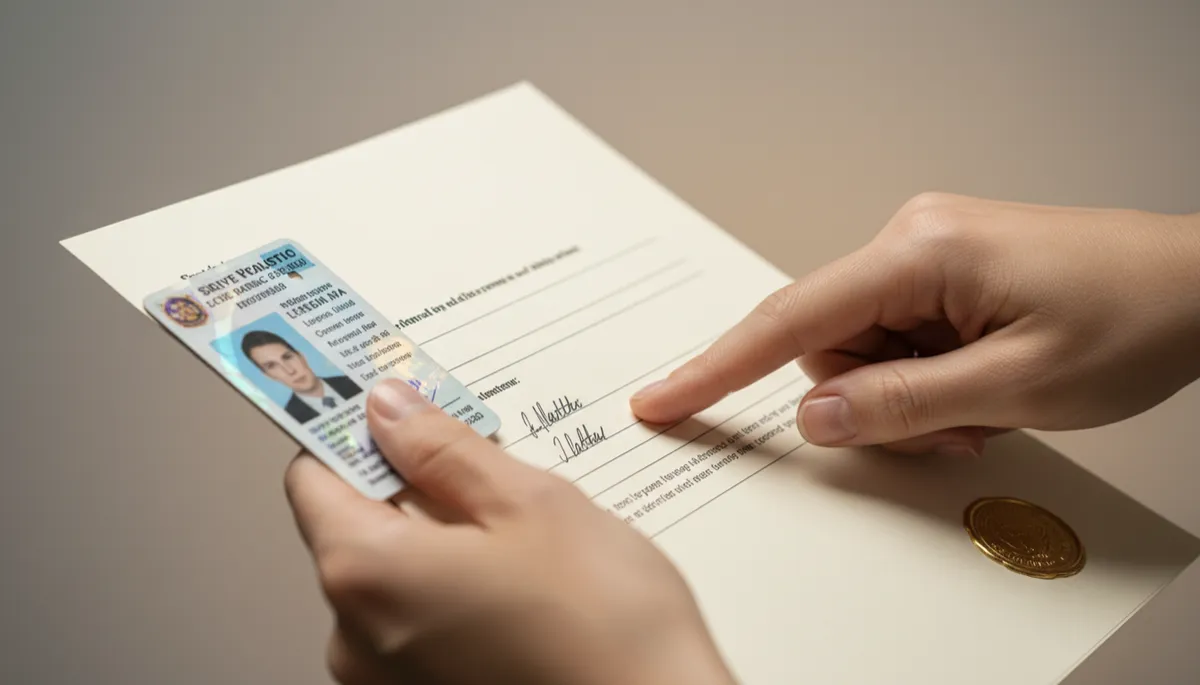
Careful ID comparison is a key safeguard against costly identity fraud.
3. Pressure to Move Fast Overpowered Good Judgment
Notarizations often happen in high-pressure situations—real estate closings, last‑minute legal filings, or emotional family decisions. In those moments, everyone at the table may be focused on “just getting it signed.” A rushed notary may feel pushed to skip steps, including a proper ID check, to keep the process moving and avoid conflict with impatient clients or professionals in the room.
But speed should never replace diligence. A few extra minutes to verify identity, examine the ID closely, and confirm the signer understands the document can prevent years of stress if someone later questions the transaction. When you hire notary services, you are paying for a safeguard, not a shortcut.
💡 Pro Tip: If you sense a notary is being rushed, pause the signing and politely ask them to walk you through how they verify identity for each signer.
4. The Notary Trusted Someone Else’s Word Instead of Evidence
Another common scenario: a spouse, adult child, or real estate agent insists, “Oh, I know them, it’s fine.” A hesitant notary may accept that reassurance and move forward without proper signer verification. While some states allow credible witnesses to help verify identity, that process has its own rules—witnesses must meet specific criteria and often must be documented in the notary’s journal.
When a notary skips those formalities and relies on casual statements like “We’ve worked together for years,” they are taking a personal risk and exposing you to potential identity fraud. A professional understands that trust is important, but documentation is essential.
5. Lack of Training, Experience, or Professional Mindset
Not all notaries treat their commission like a profession. Some view it as a minor add‑on to another job and may never invest in ongoing education. Without regular training, they may not recognize how sophisticated identity fraud has become or how important detailed signer verification is for every single appointment—even the “simple” ones.
By contrast, high‑quality notary services emphasize careful ID checks, accurate record‑keeping, and adherence to best practices. They understand that a single mistake can lead to financial loss, legal battles, or broken family relationships. If your last notary felt casual or unsure about procedure, that may explain why they didn’t verify identity as thoroughly as they should have.
How to Protect Yourself at Your Next Notarization
You can’t change what your last notary did, but you can take control going forward. Before your next appointment, ask the notary directly how they verify identity and what forms of ID they require. A confident professional will gladly explain their process and may even send you a checklist in advance so every signer arrives prepared with acceptable identification.
Bring current, government‑issued photo ID for every signer.
Confirm whether your state allows expired IDs or alternative documents.
If witnesses will be used, ask what is required for them as well.
Don’t be afraid to pause the signing if identity checks feel rushed or incomplete.
The Bottom Line: You Deserve Thorough Signer Verification
If your last notary didn’t clearly verify your signer’s identity, it doesn’t automatically mean the notarization is invalid—but it does mean your trust was tested. With identity fraud on the rise, you have every right to expect careful, consistent signer verification from any notary you hire. By choosing reputable notary services and asking the right questions before the appointment, you can help ensure that what happened last time doesn’t happen again—and that your important documents are protected the way they should be.
